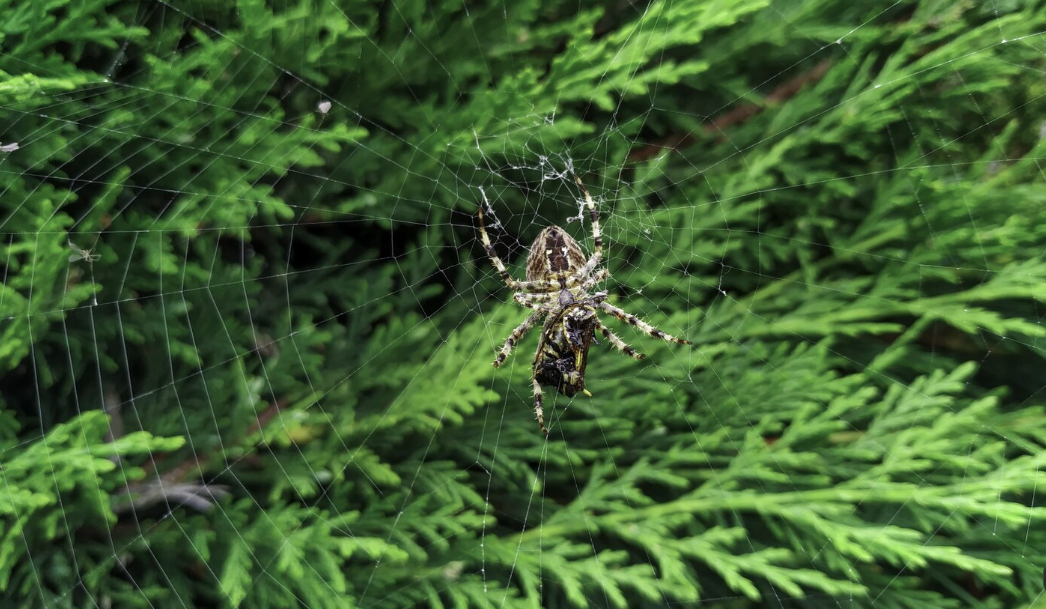
Summary: Backyard spider control helps manage spiders around woodpiles, thick shrubs, tall grass, and outdoor storage areas. Learn how clearing debris, trimming plants, reducing insects, removing webs, and using safe pest treatments can lower spider activity. Regular yard inspections and professional pest control also help property owners identify hiding spots, address recurring problems, and keep patios, entrances, decks, and family gathering areas more comfortable.
Woodpiles, thick shrubs, and overgrown plants can give spiders quiet places to hide. These spots also attract insects that spiders eat. As a result, spiders may build webs close to patios, doors, sheds, and play areas. Backyard spider control in Michigan helps property owners reduce spider activity by addressing hiding spots, food sources, and common entry points. A clear plan can make outdoor spaces easier to use and help limit spider encounters near the home. Regular yard care also helps people spot webs early and keep storage areas neat.
- Clear the Hiding Spots Around Woodpiles
Stacked firewood creates small gaps that give spiders shelter from wind and rain. Old boards, garden tools, and stored items can offer similar spaces. Spiders may build webs between logs or hide beneath loose bark. Moving these items can expose places that need attention. Piles of leaves and unused garden supplies can also give spiders quiet places to settle.
Keep firewood raised off the ground and store it away from doors and exterior walls. Avoid placing unused wood or boxes against the house. Wear gloves while moving logs, as spiders may hide between them. Check the storage area often and remove loose debris that can provide shelter. Keep only the items you need in this space, so it is easier to inspect and clean.
- Trim Plants That Touch the House
Dense shrubs and tall grass can create cool, sheltered spots for spiders. Branches that touch siding, windows, or roof edges may also give them easy paths toward the building. Thick plant growth can make it harder to spot webs and other signs of activity. Leaves that collect around steps and garden walls can also provide cover for small insects.
Trim shrubs so there is space between the plants and the walls. Cut back long grass, remove dead leaves, and keep paths clear. These steps reduce cover near the home and make regular checks easier. Focus on areas near windows, porch lights, sheds, and outdoor seating. Check the space under decks and around garden fences, too, as these spots can be hard to see during routine yard work.
- Reduce the Insects That Attract Spiders
Spiders hunt insects, so a yard with many flying or crawling pests can offer a steady food supply. Outdoor lights may draw moths and other insects toward doors and windows. Spiders can build webs nearby to catch this prey. A clean yard cannot remove every insect, but simple changes can make some areas less inviting to pests.
Keep outdoor bins closed and clean up food scraps after meals outside. Repair leaking taps and avoid leaving standing water in containers. Consider using warm-toned outdoor bulbs in place of bright white lights near doors, as some types attract fewer insects. These changes can help reduce the food sources that draw spiders close to busy areas. Also, clean up fallen fruit and rinse outdoor dining tables after use.
- Check Webs Before They Spread
Spider webs often appear in quiet corners, under deck rails, behind storage bins, and around porch ceilings. A few webs do not always mean there is a large problem. Still, repeated web growth in the same areas can point to suitable shelter or a steady supply of insects. Checking these spots on a regular schedule can help you notice changes before the webs become a nuisance.
Use a flashlight to check dark corners and spaces behind outdoor items. Remove accessible webs with suitable tools, and wear gloves during the task. Avoid reaching into narrow gaps by hand. Note the areas where webs return, as this can help identify spots that need better cleaning or treatment. If you see many spiders in one place, keep children and pets away until the area has been checked.
- Use Treatments With Care
Not every spider needs chemical treatment. Many spiders help control insects outdoors, and most avoid people. The right response depends on the type of spider, its location, and the level of activity. If spiders keep appearing near entrances or family gathering areas, a pest control professional can inspect the site. Correct identification also helps guide the next steps.
A trained technician can identify likely hiding places and recommend suitable treatment methods. Any pesticide should be used according to its label, with people and pets kept away as directed. Spraying plants or woodpiles without a clear plan may not solve the cause of the problem. Targeted treatment works best alongside yard care and regular checks. Tell the technician about areas where spiders appear often and any changes you have noticed.
Closing Note:
At Pest EZ, our professional spider control Plymouth service helps property owners address spider activity around woodpiles, dense plants, decks, and other outdoor areas. Our team can inspect common hiding spots, explain suitable treatment options, and suggest steps to reduce future activity. Contact Pest EZ to arrange an inspection and discuss a plan for your yard. Regular upkeep and focused pest control can help keep spider activity away from the places your family uses most.
FAQs
- Why do spiders gather around woodpiles and dense plants?
Woodpiles and thick plants provide shelter, hiding spots, and access to insects. Spiders often build webs in quiet areas where prey is easy to catch.
- How can I reduce spiders in my backyard?
Keep firewood raised and away from walls, trim shrubs, remove leaf piles, clear webs, and reduce insects by cleaning outdoor spaces and limiting standing water.
- Should I remove spider webs around my home?
Yes. Removing accessible webs can help keep outdoor areas tidy and reveal recurring activity. Wear gloves, use suitable tools, and avoid reaching into hidden spaces.
- Are pest control treatments needed for every spider?
No. Many spiders help control insects and usually avoid people. Professional treatment may be useful if spider activity persists near doors, patios, or family areas.
- How can professional spider control help homeowners?
A pest control technician can inspect hiding places, identify likely causes, recommend suitable treatments, and suggest steps to reduce spider activity around woodpiles and vegetation.