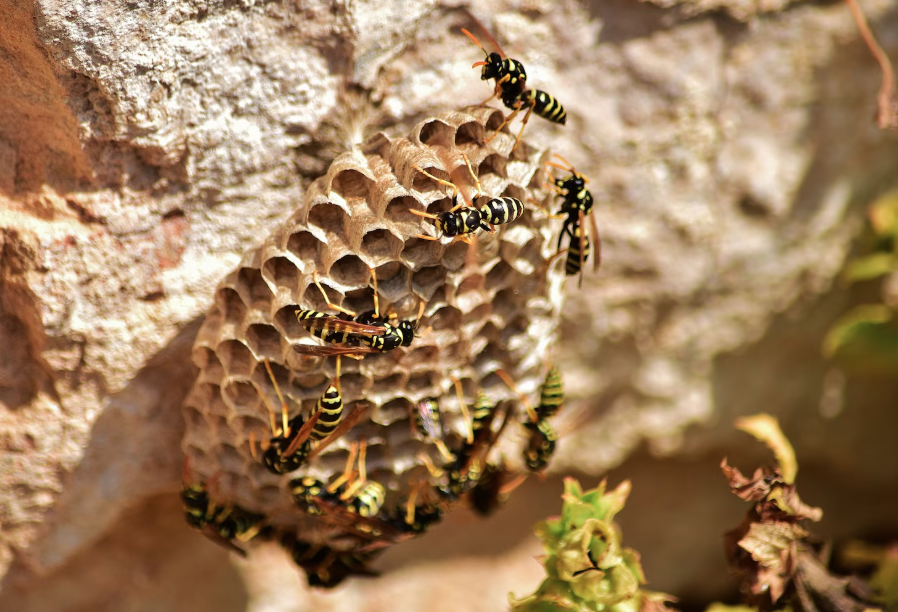
Summary: Professional mud dauber nest removal begins with species identification and a careful site inspection. The process covers nest location, current activity, hidden nesting areas, safe access, suitable tools, protective practices, controlled removal, property care, and steps that may reduce repeat nesting. These checks help create a clear removal plan while protecting people, pets, building surfaces, and surrounding areas before removal.
A mud dauber nest can sit under an eave, inside a shed, near a garage, or along a quiet wall. Its hard mud tubes may look harmless, but disturbing an active nest can create a safety concern. A professional mud dauber wasp nest removal service in Ann Arbor starts with a careful site check. The goal is to identify the nest, assess its location, check for activity, and choose a removal method that protects people and property. A proper inspection also helps the technician avoid damage to the surface under the nest. This step is useful for homes, offices, garages, sheds, and other buildings where people may pass close to the nesting area.
Start With a Careful Nest Check
The first step is a visual inspection. A technician looks at the nest shape, size, location, and nearby surfaces. Mud dauber nests often appear as small tubes or clusters made from dried mud. Their shape can help a trained professional tell them apart from nests made by other wasp species.
The inspection also checks for signs of current activity. A quiet nest may need a different approach from one with wasps nearby. This simple check helps reduce unnecessary contact and gives the technician a clear plan. The surrounding area is also checked for other nests, insect activity, and places that may need attention during the service.
Location Changes the Removal Plan
Nest placement plays a major role in safe removal. A nest high above a doorway may need different equipment from one beside a ground-level window. Tight spaces can also limit safe access. A nest behind stored items can create another access problem.
A technician checks the area around the nest before work begins. They may assess ladders, walkways, doors, windows, wiring, and nearby objects. This helps prevent falls, damage, and accidental contact during the task. People and pets should stay away from the work area until the technician says it is safe to return.
Identify the Wasp Before Work
Correct identification matters. Mud daubers are solitary wasps, and their behavior differs from many social wasp species. They usually build individual nests rather than large colonies. Their narrow body shape and nesting habits can help a trained professional identify them.
A trained technician can examine the insect and nest structure to confirm the species. This step helps guide the proper handling method. It also helps rule out other wasps that may need a different response. Correct identification supports a safer service because the technician knows what type of insect is present before work starts.
Check for Hidden Activity
A visible mud nest may not tell the full story. A technician can inspect nearby surfaces and sheltered spaces for other nests. Eaves, sheds, garages, wall edges, and protected corners can provide suitable nesting sites. A close inspection can also find old nests that may be hidden from normal view.
The inspection can also look for cracks or openings that allow insects to enter protected areas. Finding these spots helps create a more complete service plan rather than focusing on one visible nest alone. This wider check can be useful for buildings with many quiet or covered spaces.
Choose Tools Based on Access
Safe removal depends on proper access and suitable tools. A technician may use hand tools or other equipment based on the nest surface and location. The selected method should allow controlled removal without damaging siding, paint, wood, or other materials.
Protective clothing and proper work practices also matter. A professional keeps people away from the work area during removal. Pets should also remain clear until the task is complete and the area has been checked. The technician should work at a steady pace and avoid actions that could break the nest in an uncontrolled way.
Prevent the Same Problem
After nest removal, a technician can inspect the surrounding area for conditions that may support new nesting. Protected ledges, sheltered corners, and small gaps may provide useful spots for future mud nests. Regular checks can help property owners notice new activity early.
Simple property changes can help reduce repeat activity. Sealing suitable openings, repairing damaged surfaces, and keeping sheltered areas in good condition can make nesting less likely. The right steps depend on the building and the nest location. A professional can point out areas that may need repair or closer monitoring.
Ending note:
Our team at Pest EZ focuses on careful pest inspection and practical removal plans based on the property, nest location, and level of activity. For homeowners seeking wasp nest removal in Michigan, our approach starts with identifying the insect and checking the site before selecting a safe removal method. We also explain the work clearly so property owners know what to expect. Our service is built around careful handling, clear communication, and attention to the condition of the property. A mud dauber nest should not be handled without knowing its location, activity, and access risks. A professional inspection can make the removal process more controlled and help identify other nesting areas nearby.
Contact Pest EZ today to arrange a professional inspection and get a clear plan for safe nest removal.
FAQs:
- How can I tell if a mud dauber nest is active?
Look for mud dauber activity near the nest, fresh construction, or wasps entering and leaving. Avoid touching the structure yourself before removal work begins.
- Are mud dauber nests safe to remove myself?
DIY removal can create contact risks, especially at height. A professional can assess the nest, access area, and safest removal method before starting work safely.
- Where do mud daubers usually build nests?
Mud daubers often build nests under eaves, inside garages, sheds, wall edges, and other sheltered areas protected from direct exposure and regular human contact.
- What should I do after a mud dauber nest is removed?
Inspect nearby areas for other nests, seal suitable openings, repair damaged surfaces, and monitor sheltered spots for signs of new activity around the property nearby.
- Can professional inspection find hidden mud dauber nests?
Yes. A technician can inspect eaves, corners, sheds, garages, wall edges, and other sheltered spaces for visible nests and insect activity before removal work begins.