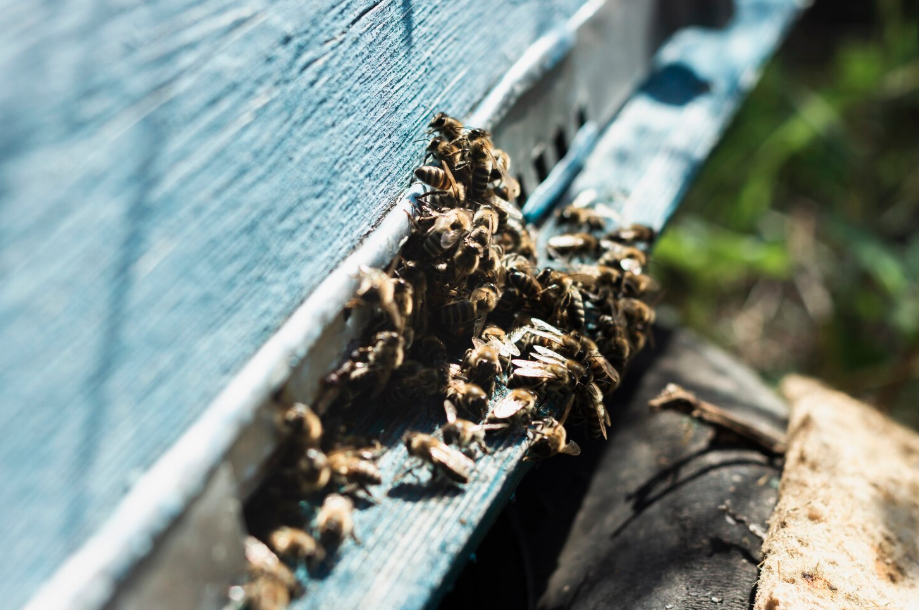
Wasp nests can make your yard or home unsafe. Many people think that once a nest is gone, wasps will never come back. Hiring a wasp nest removal Michigan service ensures the nest is completely removed and helps stop wasps from returning next season. Experts know the right way to handle nests safely and prevent future problems. Removing a nest isn’t just about getting rid of the current wasps. It also stops future queens from starting new colonies. This is important because a single queen can start a brand-new nest in spring, and without proper removal, your yard could be full of wasps again.
How Wasps Choose a Nesting Spot
Wasps look for safe, quiet places to build their nests. They like roof eaves, trees, sheds, and even walls inside attics. In spring, the queen starts a new nest, and worker wasps grow it all summer. Experts know where wasps like to build, which helps them remove nests before the colony gets big.
Nests are usually built near food and water sources. Outdoor trash cans, bird feeders, or uncovered food can attract wasps. Experts consider these areas when checking for nests to prevent wasps from finding easy spots to start a colony.
Early Signs of a Wasp Nest
Not all nests are easy to see. Watch for wasps flying in and out of the same spot, small paper-like nests, or buzzing near hidden areas. Some nests are under decks, in bushes, or inside attics. Professionals know how to spot these signs and stop problems early.
Other signs can include seeing wasps gathering around doors, vents, or open windows. Even a few wasps hovering in one place may mean there’s a hidden nest nearby. Detecting nests early prevents large infestations.
Why You Shouldn’t Remove Nests Yourself
Trying to remove a nest on your own can be dangerous. Wasp stings are painful and can be serious for people with allergies. Experts wear protective gear and use special tools to remove the whole nest safely. They also make sure the queen is gone, which prevents new nests from forming.
DIY attempts often fail because it’s easy to miss parts of the nest or not eliminate the queen. Disturbing a nest can also make wasps aggressive and more likely to sting. Professional removal is safer, faster, and more effective.
Steps Experts Take to Keep Wasps Away
After removing a nest, professionals check for spots where new nests might appear. They seal cracks, repair gaps in the roof, trim branches, and remove food sources outside. These steps make it harder for wasps to return next season.
Experts also advise homeowners to keep outdoor eating areas clean and cover trash cans. Simple steps like these, combined with professional removal, help keep wasps away for a long time.
Watching for New Wasp Activity
Even after a nest is removed, experts monitor the area. They look for queens trying to start new nests. Early detection helps stop another colony from forming. Homeowners can also watch for repeated wasp flights or small nests forming in spring.
Monitoring is important because some wasps are persistent. A new queen may try to start a nest in the same area if it seems safe. Regular checks prevent large infestations from growing unnoticed.
Why Wasp Nests Are a Safety Risk
Wasp nests can be dangerous if left alone. Wasps can sting when they feel threatened, which is risky for children and pets. Some wasps are very protective of their nests and may sting multiple times. Removing nests early keeps your family and property safe.
Nests in hard-to-reach places like attics or roof edges are especially risky. Homeowners might not notice them until wasps become aggressive. Professionals can safely remove these nests without putting anyone at risk.
Simple Steps to Stop Wasps at Home
Trim trees and shrubs near your home. Cover outdoor food and drinks. Remove old nests, clutter, and debris from yards and sheds. Doing these things along with professional removal makes it much less likely that wasps will return.
Also, make sure vents and openings in walls or roofs are sealed. Wasps can squeeze through small gaps to start a new nest. Preventive measures like these save time and prevent future stings.
Benefits of Hiring Professionals
Experts remove nests safely, reduce future problems, and save time. They know how to handle different types of wasps and use techniques that make your home safer for the long term. Hiring a professional gives peace of mind and keeps your property protected.
Professionals also advise on seasonal monitoring. Checking for nests in early spring and late summer can prevent colonies from forming or growing. This proactive approach reduces the chances of wasps causing trouble next year.
Closing Note:
At Pest EZ, we focus on removing nests completely and safely. With our exterminator for bees and wasps Michigan services, we make sure nests are gone and apply steps to prevent wasps from coming back. Our goal is to keep your family safe and your yard worry-free. We also offer follow-up visits to ensure no new nests form. Our team educates homeowners on simple tips and preventive steps that make wasp problems less likely in the future.
Wasp nests can grow quickly and create real problems. Contact Pest EZ for professional nest removal and protection. Our team removes nests safely, stops future infestations, and keeps your property safe. Enjoy your yard without worrying about wasps, and trust our experts to protect your home season after season.
FAQs:
- How do professionals remove wasp nests safely?
Our team carefully removes nests using protective gear and safe techniques to prevent stings.
- Can wasps come back after a nest is removed?
We ensure the queen and all wasps are removed, reducing the chances of future infestations.
- Where do wasps usually build nests around homes?
Wasps prefer sheltered areas like eaves, attics, trees, sheds, and wall cavities.
- What steps help prevent wasps from returning?
Sealing cracks, trimming branches, and removing food sources keep wasps away long-term.
- Why should I hire professionals instead of DIY removal?
Experts safely remove nests, prevent stings, and apply strategies to stop new nests from forming.