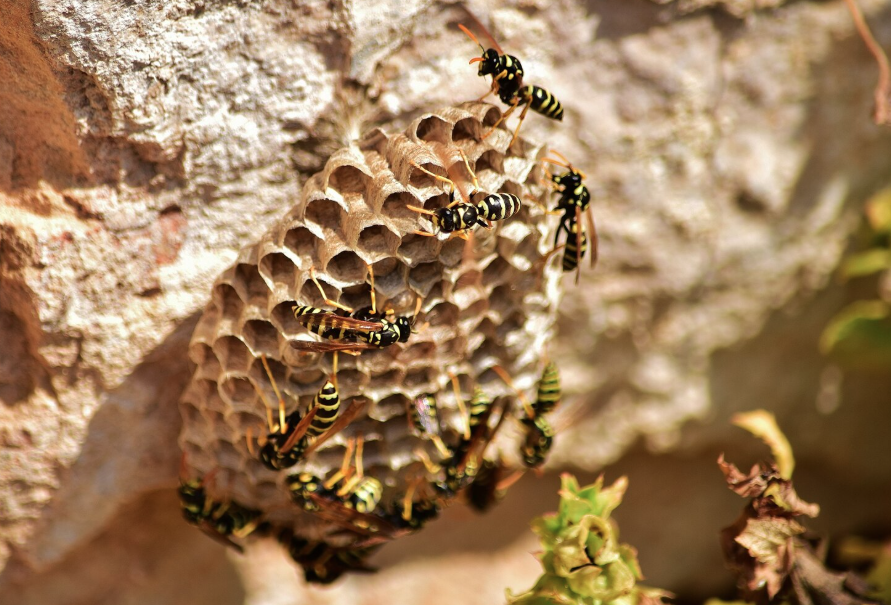
Summary: Mud dauber nests often appear around garages, porches, and sheds because these areas provide shelter, strong building surfaces, shade, airflow, and nearby spiders for food. The blog explains how professionals identify nesting conditions, inspect hidden areas, and reduce future nesting through complete property evaluations. It also shows why expert inspections provide better long-term protection than removing visible nests alone.
Finding a mud dauber nest on your porch or inside your garage can leave you wondering why these wasps keep choosing the same places. The answer is simple. Mud daubers look for safe, quiet, and protected areas where they can build nests without being disturbed. They do not choose a place by chance. They check the location before they start building. Professional mud dauber wasp nest removal Ann Arbor services do more than remove the nests you can see. They help find out why mud daubers picked your property and what can be done to lower the chance of new nests. Knowing these reasons helps homeowners stop the problem before it grows. A careful inspection also helps identify small changes around the property that may continue attracting mud daubers every season.
Mud Daubers Choose Safe Places Before They Start Building
Mud daubers spend time looking for the right place before they build a nest. They like areas that stay dry, quiet, and protected from heavy rain and strong wind. Garages, porches, sheds, and roof edges give them the shelter they need. These places are also less busy than other parts of the home, so the wasps can build without much disturbance. That is why many homeowners find nests in the same corners every year. Professional inspections help explain why these areas are attractive and what changes can help stop future nesting. By understanding where mud daubers feel safe, homeowners can better protect outdoor structures before nesting begins.
Strong Surfaces Help the Nest Stay in Place
Mud daubers build their nests with small pieces of wet mud. The mud needs a strong surface to stick properly. Brick walls, concrete, wood, stone, and rough siding give the nest better support than smooth painted walls. If the surface is strong, the nest is less likely to fall while it dries. Pest control experts check these surfaces during an inspection because the type of building material often explains why mud daubers keep returning to the same spot. Looking closely at these areas also helps identify places that may need simple repairs to reduce future nesting.
Spiders Bring Mud Daubers Closer to Your Home
Many people think mud is the only thing mud daubers need. The truth is that spiders are just as important. Mud daubers catch spiders and place them inside the nest to feed their young. If a property has many spiders, it becomes a good place for mud daubers to live. Garages, sheds, and porches often have more spiders because these places stay quiet and are not cleaned as often. Professional inspections check spider activity as well because reducing spiders can also lower the chance of new mud dauber nests. Looking at both spider activity and nesting locations gives a more complete solution than removing nests alone.
Fresh Air Helps the Nest Stay Safe
Mud daubers also like places with gentle air movement. Areas around open garages, porch ceilings, roof edges, and covered outdoor spaces allow fresh air to move through without letting heavy rain reach the nest. This helps the mud dry properly and keeps the young wasps protected inside. Pest control professionals understand how these areas work and use this knowledge to find places where future nests may appear. This careful review helps property owners understand why one part of the home attracts nests while another nearby area does not.
Shade Makes Nest Building Easier
Mud daubers often choose shaded places instead of areas with strong sunlight. Too much direct sun can dry the wet mud too quickly and cause small cracks before the nest becomes strong. Covered porches, garages, sheds, and roof overhangs give enough shade for the mud to dry slowly. This helps the nest stay in good condition. Looking at shade around the property helps professionals understand why certain places attract more nesting than others. Small differences in sunlight can have a big effect on where mud daubers decide to build.
Small Building Gaps Can Become Nesting Spots
Many homes have small spaces that are easy to miss. Roof supports, light fixtures, wall corners, utility boxes, beams, and small gaps around outdoor structures can become safe places for mud daubers. These areas are often protected from rain and daily activity, making them good nesting sites. A professional inspection looks closely at these hidden spaces because they often explain why nests keep coming back. Finding these locations early helps reduce repeated nesting and protects the structure from long-term wasp activity.
Closing Note:
At Pest EZ, we believe lasting results begin with understanding your property. Our team looks for the reasons mud daubers keep returning instead of removing only the nests. We inspect nesting areas, nearby spider activity, building features, and outdoor spaces to create a solution that fits your home. If you are looking for a trusted bee and wasp exterminator in Milford, our experienced team is ready to help protect your garage, porch, shed, and other outdoor areas from future nesting activity. Our goal is to provide practical solutions that help reduce repeated nesting and give homeowners greater confidence throughout the year.
Mud dauber nests often return because the same conditions remain around the property. A professional inspection can find those conditions before more nests appear. Contact Pest EZ today to schedule an inspection and get a complete plan that helps keep your home and outdoor spaces protected from future mud dauber nesting.
FAQs:
- Why do mud daubers build nests around garages and porches?
Mud daubers prefer quiet, dry, and protected places where their nests remain safe. Garages, porches, and sheds provide ideal shelter and stable surfaces for nesting.
- Are mud dauber nests likely to return after removal?
Yes. If the conditions that attract mud daubers remain unchanged, they may build new nests in the same or nearby locations during future nesting periods.
- Why do pest control experts inspect the whole property?
A complete inspection helps identify nesting sites, spider activity, structural features, and other conditions that encourage mud daubers, allowing professionals to reduce future nesting.
- Do mud daubers choose every outdoor surface for nesting?
No. They usually select rough, protected surfaces with shade and limited disturbance because these locations provide better support and protection for their mud nests.
- How can professional nest removal help homeowners?
Professional services remove existing nests safely, identify why mud daubers selected the property, and recommend practical steps that help reduce future nesting activity.